What to Know Before Building on Marsh or Waterfront Property
Building Near the Water Requires a Different Approach
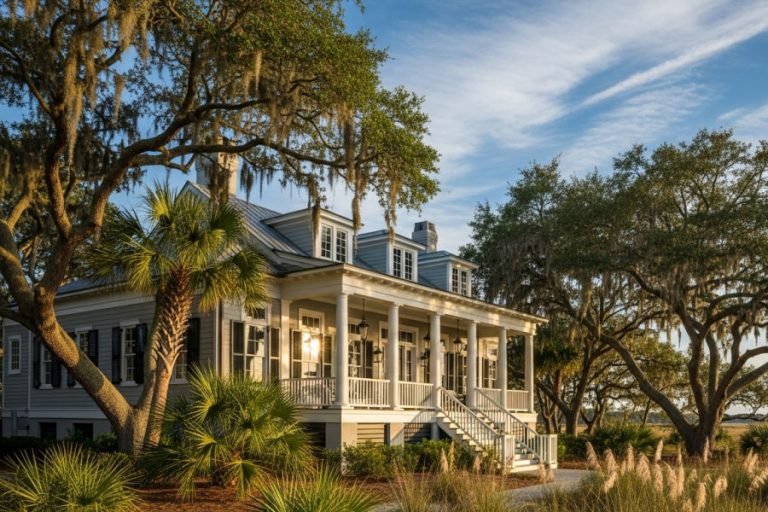
There’s a reason marsh and waterfront properties are so sought after throughout the Lowcountry. The views are timeless, the connection to the landscape is immediate, and the lifestyle is unlike anything inland. But building near the water along the South Carolina coast is fundamentally different from building on a standard residential lot.
Marsh and waterfront homes demand careful planning, technical knowledge, and a deep respect for the land they sit on. When approached correctly, these projects can result in extraordinary homes that feel grounded, resilient, and perfectly at home in their surroundings. When approached casually, they can become costly, delayed, or compromised. Understanding the realities before you build is the key to success.
Understanding the Land You’re Building On
Across the Lowcountry, marsh and waterfront sites are dynamic environments shaped by tides, rainfall, and seasonal saturation. Unlike inland properties with relatively stable soils, coastal land often shifts subtly over time. Soil composition can vary dramatically even within a single parcel, and groundwater levels may rise and fall daily with tidal influence.
Before design begins, the land itself must be understood. Geotechnical testing and site evaluation reveal how the soil behaves under load, how water moves through it, and how the home should ultimately be supported.
Key site conditions we evaluate early include:
- Soil bearing capacity and long-term stability
- Tidal influence and fluctuating groundwater levels
- Potential erosion patterns common to marsh-front lots
These factors don’t prevent building—they inform smarter decisions from the start.
Flood Zones, Elevation, and FEMA Requirements
Many marsh and waterfront properties in the Lowcountry fall within designated flood zones, which directly affect how a home must be designed and constructed. Flood maps, base flood elevation requirements, and local ordinances shape everything from finished floor height to foundation design.
Elevation isn’t just a regulatory hurdle along the coast; it’s one of the most effective tools for protecting a home. Designing above minimum requirements often improves storm performance, reduces insurance costs, and adds long-term peace of mind for homeowners.
Common elevation-related considerations include:
- Finished floor height relative to base flood elevation
- Open or breakaway enclosures beneath living space
- Flood vents that allow water to pass through safely
Early coordination between builder, designer, and engineer is essential here. Along the coast, these decisions are far easier—and far less costly—to address before plans are finalized.
Foundations That Perform Near the Water
In Lowcountry marsh and waterfront settings, a foundation must do more than support weight—it must respond to water. Elevated foundation systems are standard, often using piles, piers, or reinforced concrete engineered specifically for coastal conditions.
The right foundation depends on soil behavior, flood zone requirements, and the architectural goals of the home. In many coastal areas, reinforced concrete and pile-supported systems provide the durability needed to withstand saturated soils and storm surge.
A well-designed foundation allows water to move beneath the home without resistance, reduces hydrostatic pressure, and establishes a clear structural load path from roof to ground. These strategies align closely with the storm-resilient approaches discussed in our guide on choosing the right materials for high-humidity and storm-prone homes.
Environmental and Regulatory Considerations
Building near marshland in the Lowcountry often involves additional environmental oversight. Wetland buffer zones, coastal setbacks, and conservation requirements exist to protect sensitive ecosystems and reduce long-term risk to structures.
Permitting on waterfront sites frequently requires coordination with local municipalities, state agencies, and, in some cases, federal authorities. While this can extend timelines, it also ensures the home is designed responsibly and in accordance with coastal regulations.
Typical regulatory considerations include:
- Marsh and wetland buffer requirements
- Coastal setback lines that define buildable areas
- Extended review and permitting timelines
A builder familiar with Lowcountry permitting processes can help navigate these requirements efficiently and avoid unnecessary delays.
Designing for Wind, Salt, and Moisture
Homes built near the water experience more intense exposure than those farther inland. Along the coast, higher wind speeds, salt-laden air, and persistent humidity place greater demands on a home’s exterior systems.
Rooflines are designed to reduce uplift, exterior assemblies are detailed to shed and drain water efficiently, and materials are selected for their resistance to corrosion over time. Stainless fasteners, impact-rated windows, corrosion-resistant finishes, and proper ventilation are not upgrades in coastal construction—they are baseline requirements.
Material selection becomes inseparable from site conditions in these environments.
Budgeting and Timeline Realities
Marsh and waterfront homes in the Lowcountry often require additional upfront investment—not because they’re overbuilt, but because they’re built correctly. Engineering, permitting, and specialized construction methods add complexity, and with that comes added time and cost.
Homeowners should plan for:
- Additional site and structural engineering
- Longer permitting and review timelines
- Specialized inspections and coastal construction trades
The benefit is confidence. Proper planning reduces mid-project changes, improves long-term durability, and results in a home that performs reliably in a demanding environment.
Why Experience Matters on Waterfront Projects
Building near the water is not the place for trial and error. Marsh and waterfront projects require a builder who understands coastal soils, flood regulations, and the unique construction challenges found throughout the Lowcountry.
Experience allows potential issues to be identified early, designs to be refined intelligently, and materials to be selected with long-term performance in mind. It also ensures coordination between engineers, designers, and regulatory agencies happens smoothly from the outset.
For homeowners considering a custom build, learning more about our custom home design and planning process can provide valuable insight into how these projects are approached from the very beginning.
Building with Confidence Near the Marsh
Marsh and waterfront homes offer an unmatched connection to the Lowcountry landscape. When designed and built with intention, they can also offer exceptional durability, comfort, and peace of mind. Success comes from understanding the land, respecting coastal regulations, and designing every system—from foundation to roof—with the realities of waterfront living in mind.
If you’re considering building on marsh or waterfront property, the most important step is an early conversation. Sturkey Construction works closely with homeowners throughout the Lowcountry to evaluate sites, navigate regulations, and develop building strategies that protect both the home and its surroundings.
Contact our team to schedule a consultation and begin planning a waterfront home designed to endure, perform, and belong exactly where it stands.