The Biggest Mistakes Homeowners Make During Major Renovation Projects
A renovation is one of the most exciting decisions a homeowner can make. Major renovations are exciting. Whether you’re opening up a cramped floor plan, restoring the character of a historic Lowcountry property, or reimagining a space for the future, the vision matters.
But between that vision and the finished product is where homeowners often stumble. The same costly mistakes appear again and again, not from lack of care, but because renovation projects carry hidden complexities that can compound quickly. Here are the biggest mistakes to avoid, and what to do instead.
Mistake One: Starting Without a Realistic Budget That Includes the Unexpected
The number one mistake that derails renovation projects is entering the process with a budget that only accounts for the best-case scenario.
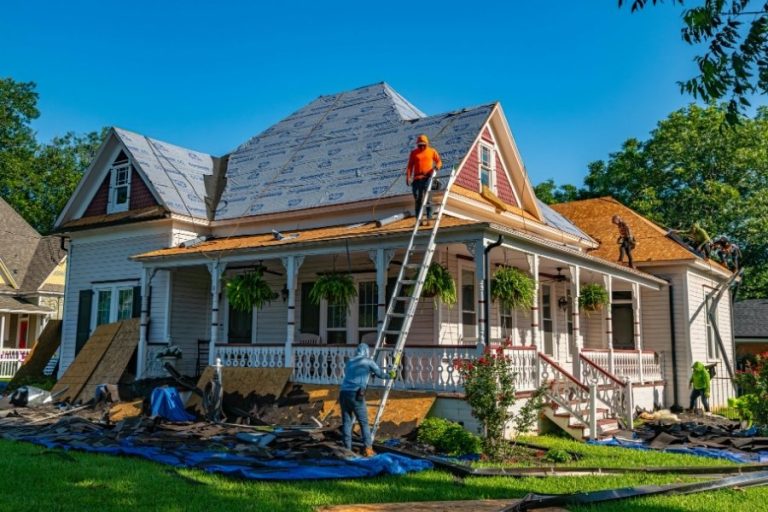
Homeowners hear an estimate, round it down mentally, and begin. Then the walls come open and the picture changes. Outdated wiring. Evidence of past water intrusion. Structural elements that need addressing before anything cosmetic can move forward.
In Lowcountry homes especially — where humidity, salt air, and decades of coastal weather work quietly on a structure — what lies beneath the surface of an older property can tell a very different story than what shows during a walkthrough.
A well-planned renovation budget should include not just the expected costs but a dedicated contingency — typically ten to twenty percent of the total project budget — reserved specifically for what gets uncovered once work begins. That contingency is not a pessimistic addition to the budget.
It is a professional one. Contractors who have been doing this work for years will tell you that contingency funds are almost always needed on any project involving an older structure, and frequently needed even on newer ones.
The goal is not to expect the worst. The goal is to be prepared for it so that a surprise does not turn into a stoppage.
Mistake Two: Choosing a Contractor Based on Price Alone
This is the mistake that often produces the most lasting damage — not just to the renovation, but to the property itself.
When homeowners receive multiple bids and choose the lowest one without understanding why it is lower, they frequently discover the reason after the fact. Cheaper materials. Subcontractors who are less experienced or less invested in the outcome. Corners cut on preparation, on permitting, or on the kind of detailed craftsmanship that takes time and cannot be rushed.
A renovation that is done incorrectly does not simply look wrong. In many cases, it compromises the integrity of the home — creating moisture vulnerabilities, structural issues, or code violations that cost significantly more to fix than the original work would have cost to do right.
And in the Lowcountry, where homes are asked to hold up against hurricane seasons, intense humidity, and the long-term demands of a coastal environment, the quality of the workmanship matters in ways that go far beyond aesthetics.
The right question to ask is not “who will do this for the least money?” It is “who has the experience, the local knowledge, and the demonstrated track record to do this well?” Those are different conversations. And the distinction is worth having.
Mistake Three: Skipping or Rushing the Planning Phase
Experienced builders will consistently tell you the same thing: the time spent in planning before a single tool is picked up is among the most valuable time in the entire project.
Homeowners who rush the planning phase — who are eager to start and impatient with the design and documentation process — often find themselves making expensive decisions in the middle of construction. Changing plans mid-project is one of the most reliable ways to drive up costs, extend timelines, and introduce the kind of coordination problems that cause a renovation to drag on far longer than it should.
Good planning means understanding not just what you want the finished space to look like, but how the construction sequence will unfold, what permits are required, how materials will be sourced, and what the realistic timeline looks like from start to finish.
In historic properties, it also means understanding what preservation guidelines apply and what renovation decisions require additional review or approval before work can proceed.
For properties in Hilton Head, Bluffton, Beaufort, and surrounding communities — many of which carry significant architectural and historic character — planning is not a formality. It is where the project is built before the building begins.
Mistake Four: Ignoring Permits and Code Requirements
This is a mistake homeowners often make with the best of intentions. They want to move quickly. They trust their contractor. They assume that if the work looks good and holds up, the paperwork is a technicality.
It is not.
Unpermitted work creates real, lasting problems for a homeowner. It can void your homeowners insurance coverage for damage related to unpermitted improvements. It can surface during a future sale when a buyer’s inspection or title process uncovers work that was never properly documented. It can leave you financially exposed in ways that are difficult to anticipate at the time the work is done.
Ben Shelton, lead attorney at Shelton Law Firm, LLC in Hilton Head Island, has seen the downstream consequences of unpermitted renovation work create serious complications for homeowners — particularly when insurance claims arise following storm damage, water intrusion, or structural failures connected to improvements that were never properly permitted or inspected.
Working with a contractor who handles permitting properly and coordinates with local authorities from the beginning is not just about compliance. It is about protecting your investment for the long term.
Mistake Five: Underestimating the Demands of Coastal Construction
Homeowners moving to Hilton Head, Bluffton, or Beaufort from inland markets sometimes bring renovation expectations that were formed in a completely different environment. What works in a home in Atlanta or Charlotte does not always perform the same way in the Lowcountry.
Salt air accelerates the deterioration of materials that would hold up for decades elsewhere. Humidity creates moisture management challenges that need to be addressed at every layer of construction — insulation, vapor barriers, ventilation, crawl space conditions.
Rooflines and exterior materials need to be selected with hurricane exposure in mind, not just curb appeal. Even the timing of certain work can matter, given the demands that South Carolina summers place on both workers and materials.
Renovation projects in coastal communities require a contractor who understands these realities from experience — someone who knows which materials perform well over time in this specific environment, which suppliers provide consistent quality for regional conditions, and how to build or renovate in a way that holds up against what the Lowcountry will throw at a structure year after year.
That local knowledge is not incidental to a good renovation. In a coastal market, it is central to one.
Mistake Six: Letting Scope Creep Go Unchecked
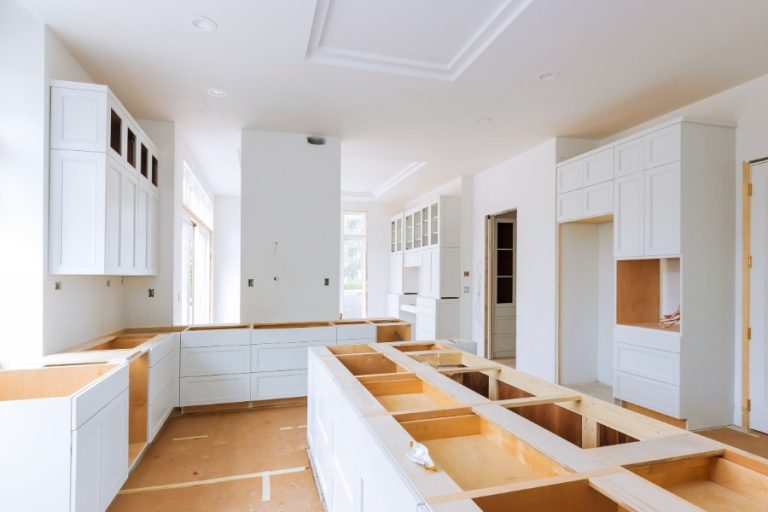
Scope creep — when a project expands beyond its original plan — is one of the most common budget killers. It often starts small: update the dining room while the kitchen is under renovation, then add floors, then a bathroom. Each choice feels reasonable, but together they turn a defined project into something far larger, with costs and timelines that no longer match the agreement.
Good contractors document change orders and explain impacts before work begins. Smart homeowners hold themselves to the same discipline: trust the original plan, evaluate additions carefully, and remember that every “small” change carries a price.
Renovations can evolve, especially when hidden issues surface, but the key is whether changes are planned, communicated, and budgeted in real time versus piling up quietly until the final invoice shocks everyone.
Mistake Seven: Treating Communication as Optional
A renovation project involves a lot of moving parts — contractors, subcontractors, suppliers, inspectors, design decisions, scheduling logistics. When communication between the homeowner and the contractor is inconsistent, important details get missed.
Misunderstandings calcify into conflicts. Work proceeds in a direction the homeowner did not intend because no one paused to clarify.
The best renovation experiences — the ones that finish on time, on budget, and with a result the homeowner is genuinely proud of — are almost always characterized by proactive, consistent communication from start to finish.
That means a contractor who provides regular updates and does not disappear between milestones. It also means a homeowner who asks questions, raises concerns early rather than letting them build, and stays engaged with the project throughout rather than checking in only at the end.
The Right Start Makes All the Difference
A major renovation is a significant investment — in your property, your comfort, and the long-term character of your home. The mistakes outlined here are common precisely because they are easy to make under the pressure and excitement of getting started.
The remedy for almost all of them is the same: take the planning seriously, choose the right people, communicate well, and work with a contractor who has the experience and the honesty to guide you through the hard parts of the process, not just the exciting ones.