Choosing the Right Materials for High-Humidity and Storm-Prone Homes in the Lowcountry
Building Smarter for the Lowcountry Climate
In the Lowcountry, a home isn’t just a structure—it’s a frontline defense against heat, humidity, salt air, and the constant threat of storms. Material choice here carries weight. It affects how your home breathes, drains, resists corrosion, and ultimately endures the passage of time.
At Sturkey Construction, we’ve spent decades building and restoring custom and historic homes that respect the region’s natural beauty while standing up to its harshest elements. A Lowcountry home must be as tough as it is timeless, and the right materials are where that begins.
The Challenges of Building in the Lowcountry
Humidity, hurricanes, flooding, and salt air define coastal living in South Carolina. The very qualities that make this region beautiful also test every component of a home. Constant moisture can warp wood, peel paint, and fuel mold. Wind-driven rain and tropical systems push water into walls and roof seams, challenging even well-built structures.
Salt air accelerates corrosion, eating away at fasteners, flashing, and exterior hardware unless they’re marine-grade or properly coated. Flooding adds another layer of complexity. Even elevated homes must withstand hydrostatic pressure and ensure that water drains and dries efficiently. In this environment, durability isn’t optional—it’s the standard.
How to Choose the Right Materials
Every product we use on a Lowcountry home is judged by how it handles moisture, resists impact, and manages corrosion. A material might look perfect in a catalog, but unless it performs in our climate, it’s not worth specifying.
The most resilient homes balance strength with breathability. They allow trapped vapor to escape without compromising the envelope. They use fasteners and finishes that tolerate salt air, and assemblies that can dry quickly after heavy rain. The goal is always the same: keep water out, let moisture escape, and design for maintenance—not against it.
Durability here is sustainability. A product that lasts decades without replacement not only saves money but also reduces waste and environmental impact. The right choice is one that looks good, performs well, and endures the test of humidity and hurricanes alike.
Exterior Material Choices
Roofing: Built for Wind and Water
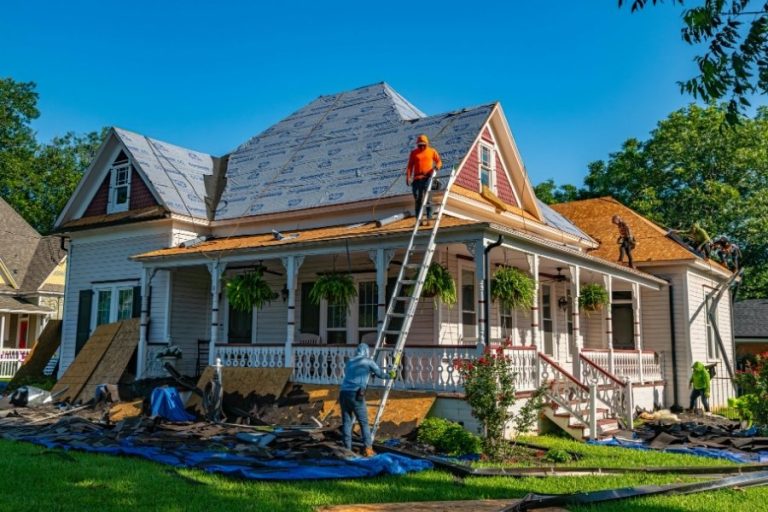
Few things matter more to a coastal home than a strong roof. Standing seam metal is one of our top choices for storm resistance, combining excellent uplift performance with long-term corrosion protection. When paired with stainless clips and marine-grade coatings, it performs exceptionally well under Lowcountry conditions. Architectural asphalt shingles remain a solid, cost-effective option, especially when installed with reinforced nailing patterns to handle hurricane winds. Slate and tile roofs offer old-world charm and incredible durability, though their weight requires engineered framing and specialized installation. The finishing details—gutters, flashing, and trims—should always use powder-coated aluminum or stainless steel to resist rust and staining from salt exposure.
Roofing quick picks
- Standing seam metal for maximum wind resistance and longevity
- Architectural shingles for budget-sensitive projects with proper coastal nailing patterns
- Slate or tile when structure and budget allow for premium, long-service life
- Powder-coated aluminum or stainless for all flashings and accessories
Siding: Style and Substance
Fiber cement siding has become the go-to for many Lowcountry homes because of its ability to resist moisture, pests, and heat while maintaining a traditional look. It can be shaped and painted to mimic historic clapboard without the upkeep of wood. Engineered or treated wood still has its place, particularly in restorations or homes aiming for authentic texture and warmth, but it demands diligent sealing and ventilation behind every board. Metal panels, often aluminum or coated steel, have also gained ground, especially in modern coastal designs where sleek lines and corrosion resistance are equally important.
Foundations and Wall Systems
The foundation of a coastal home must do more than hold weight—it must resist water. Insulated concrete forms provide superior strength, insulation, and impact resistance, making them ideal for flood-prone areas. Traditional reinforced concrete remains a dependable choice as well, provided it’s properly waterproofed and detailed with capillary breaks to prevent moisture from wicking upward. For clients seeking sustainable alternatives, materials like cross-laminated timber or bamboo can perform well when paired with vapor barriers, rainscreens, and precise detailing. A successful Lowcountry foundation combines these modern materials with old-fashioned wisdom: let water pass through safely, and dry quickly afterward.
Interior Material Choices
Flooring That Works Hard
Inside the home, flooring must handle the same humidity that challenges the exterior. Porcelain and stone tile remain top performers—waterproof, low-maintenance, and easy to clean after heavy weather. Luxury vinyl plank and tile have also proven their worth, offering the look of wood with superior moisture resistance and resilience under daily use. For those who prefer the warmth of real wood, engineered flooring can provide the balance of beauty and stability; with the right finishes and humidity control, it performs well even in our climate.
When to choose which flooring
- Porcelain or stone tile for main living areas and post-storm cleanability
- Luxury vinyl plank/tile for family spaces needing resilience and easy maintenance
- Engineered wood for bedrooms and upper floors where controlled humidity is achievable
Walls, Insulation, and Finishes
Walls and ceilings face a hidden enemy: trapped vapor. Magnesium-oxide boards are an excellent alternative to traditional drywall in damp-prone areas like bathrooms, laundry rooms, or first floors; they resist mold, stay stable in high humidity, and finish beautifully. Closed-cell spray foam is the standard for roof decks and targeted air sealing, while mineral wool remains our choice for wall insulation because it handles moisture without losing performance. Interior paints and coverings should be vapor-open, allowing assemblies to dry inward if needed. These details may be invisible to homeowners—but they’re what make a house resilient.
Windows and Doors
Windows and doors are the weak points of any structure during a storm, which is why impact-rated assemblies are nonnegotiable in coastal construction. Low-E laminated glass not only withstands debris but also reduces UV damage and heat gain, improving both safety and comfort. Fiberglass or factory-finished wood doors hold up best under humidity, and when fitted with multi-point locks, they perform exceptionally well against wind pressure.
Beyond Materials: The Details That Matter
Even the strongest materials fail without proper detailing. Continuous moisture management—from roof underlayments to wall flashings—prevents leaks before they start. Drainable housewraps, rainscreens, and sealed seams help every system dry quickly after exposure. Ventilation is another non-negotiable. Whole-home dehumidification, sealed crawlspaces, and balanced air systems keep humidity under control year-round. Building to current flood and wind codes ensures that a home isn’t just beautiful—it’s defensible. Sustainability in the Lowcountry starts with endurance; a durable home uses fewer resources over time, requires less repair, and preserves both energy and craftsmanship.
Moisture management essentials
- Drainable housewraps and ventilated rainscreens behind cladding
- High-temperature roof underlayments and sealed valleys/ridges
- Capillary breaks at foundations and properly detailed kick-out flashings
- Sealed and conditioned crawlspaces paired with whole-home dehumidification
Building on History: Preserving the Past with Modern Strength
Historic homes in the Lowcountry carry the stories of generations, but they also face modern weather challenges their original builders never imagined. Our approach blends preservation with innovation—adding hidden rainscreens behind clapboards, using stainless fasteners beneath traditional trim, and fitting impact-rated glass into historic sashes. The goal is always the same: keep the charm, improve the performance.
Partner with Sturkey Construction
Every home site in the Lowcountry tells its own story—salt levels, elevation, exposure, and soil all shape how we build. At Sturkey Construction, we tailor every materials plan to match the land it sits on. Whether you’re restoring a historic home or building new on the marsh, we can help you select the materials that protect your investment and preserve your peace of mind.
Schedule a consultation to discuss your project. Our team will review your site conditions, goals, and design, then develop a materials strategy that ensures your home will stand strong against the challenges of coastal living.